

There’s something special about spending a night under the stars. The crackling sound of a campfire, the fresh air, and the chance to disconnect from everyday distractions make camping one of the most rewarding outdoor experiences. For beginners, however, the thought of heading into the wilderness can feel intimidating. Questions about what gear to bring, how to stay safe, and how to remain comfortable often discourage people from taking their first camping trip.
The good news is that camping doesn’t have to be complicated. With a little preparation and a few practical skills, anyone can enjoy a successful outdoor adventure. Whether you’re planning a weekend at a local campground or your first trip into the backcountry, these essential camping tips will help you feel confident and prepared.
One of the most important decisions you’ll make before your trip is choosing the right campsite. As a beginner, it’s wise to start with an established campground that offers basic amenities such as restrooms, clean water, and designated camping areas. A good campsite should have level ground for your tent and be located away from hazards such as dead trees, steep slopes, or areas prone to flooding. Spending a few minutes researching your destination can save you from unexpected challenges once you arrive.
After selecting your campsite, take the time to familiarize yourself with your tent before leaving home. Many first-time campers discover too late that setting up a tent can be more challenging than expected. Practicing in your backyard allows you to learn the setup process, identify any missing parts, and ensure your shelter is ready for use. This simple step can make your arrival at camp far less stressful and allow you to spend more time enjoying the outdoors.
Weather is another factor that can greatly affect your camping experience. Even when forecasts predict sunshine, outdoor conditions can change quickly. Before your trip, check the weather forecast and pack accordingly. Bringing extra layers, a waterproof jacket, and dry clothing can help you stay comfortable if temperatures drop or rain moves in unexpectedly. Being prepared for changing weather conditions is one of the easiest ways to avoid discomfort during your trip.
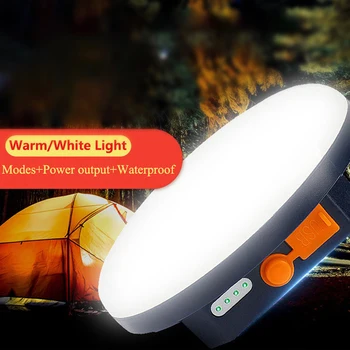
Packing the right gear is equally important. While it’s tempting to bring everything you own, successful camping often comes down to packing smart rather than packing more. Focus on the essentials, including shelter, sleeping gear, lighting, food supplies, water, and a basic first aid kit. Creating a checklist before departure can help ensure that nothing important gets left behind.
For many campers, the campfire is the centerpiece of the outdoor experience. It provides warmth, light, and a gathering place after the sun goes down. However, campfires must always be treated with care and respect. Use designated fire rings whenever possible and check local regulations before lighting a fire. Keep fires small and manageable, never leave them unattended, and always fully extinguish them before going to sleep or leaving the campsite.
Food management is another area where beginners often overlook important details. Improper food storage can attract animals ranging from raccoons to bears. Store food in sealed containers or coolers and avoid keeping food inside your tent. Many campgrounds provide food lockers specifically designed to prevent wildlife encounters. By keeping your campsite clean and storing food properly, you’ll help ensure a safer and more enjoyable camping experience.
Wildlife awareness goes hand in hand with food storage. While seeing wildlife can be one of the highlights of a camping trip, it’s important to remember that wild animals should always be observed from a safe distance. Never feed wildlife, and avoid approaching animals for photographs. Respecting wildlife not only protects you but also helps preserve natural animal behaviors and ecosystems.
Comfort is often the difference between a camping trip you’ll remember fondly and one you’d rather forget. Dressing in layers is one of the best ways to stay comfortable outdoors. Temperatures can vary significantly between daytime and nighttime, especially in mountainous regions. A moisture-wicking base layer, an insulating middle layer, and a waterproof outer layer provide flexibility and protection against changing conditions throughout the day.
Staying hydrated is another key component of outdoor safety and comfort. Even mild dehydration can lead to fatigue, headaches, and reduced energy levels. Bring plenty of drinking water and have a backup plan for water purification if you’ll be camping in remote areas. Drinking water regularly throughout the day helps you stay energized and ready to enjoy your outdoor activities.
Finally, every camper should embrace the Leave No Trace philosophy. Outdoor spaces remain beautiful because visitors take responsibility for protecting them. Pack out all trash, respect natural habitats, minimize your impact on the environment, and leave your campsite in the same condition—or better—than you found it. Small actions taken by individual campers help preserve nature for future generations.
Camping is a skill that improves with every trip. The more time you spend outdoors, the more confident and comfortable you’ll become. By choosing a suitable campsite, preparing your gear, respecting wildlife, staying aware of weather conditions, and following responsible camping practices, you’ll build a strong foundation for years of outdoor adventures.
Your first camping trip doesn’t need to be perfect. It simply needs to be the beginning of a lifelong appreciation for the outdoors. With the right preparation and mindset, you’ll soon discover why millions of people return to nature year after year in search of adventure, relaxation, and unforgettable memories.





0 Comments